
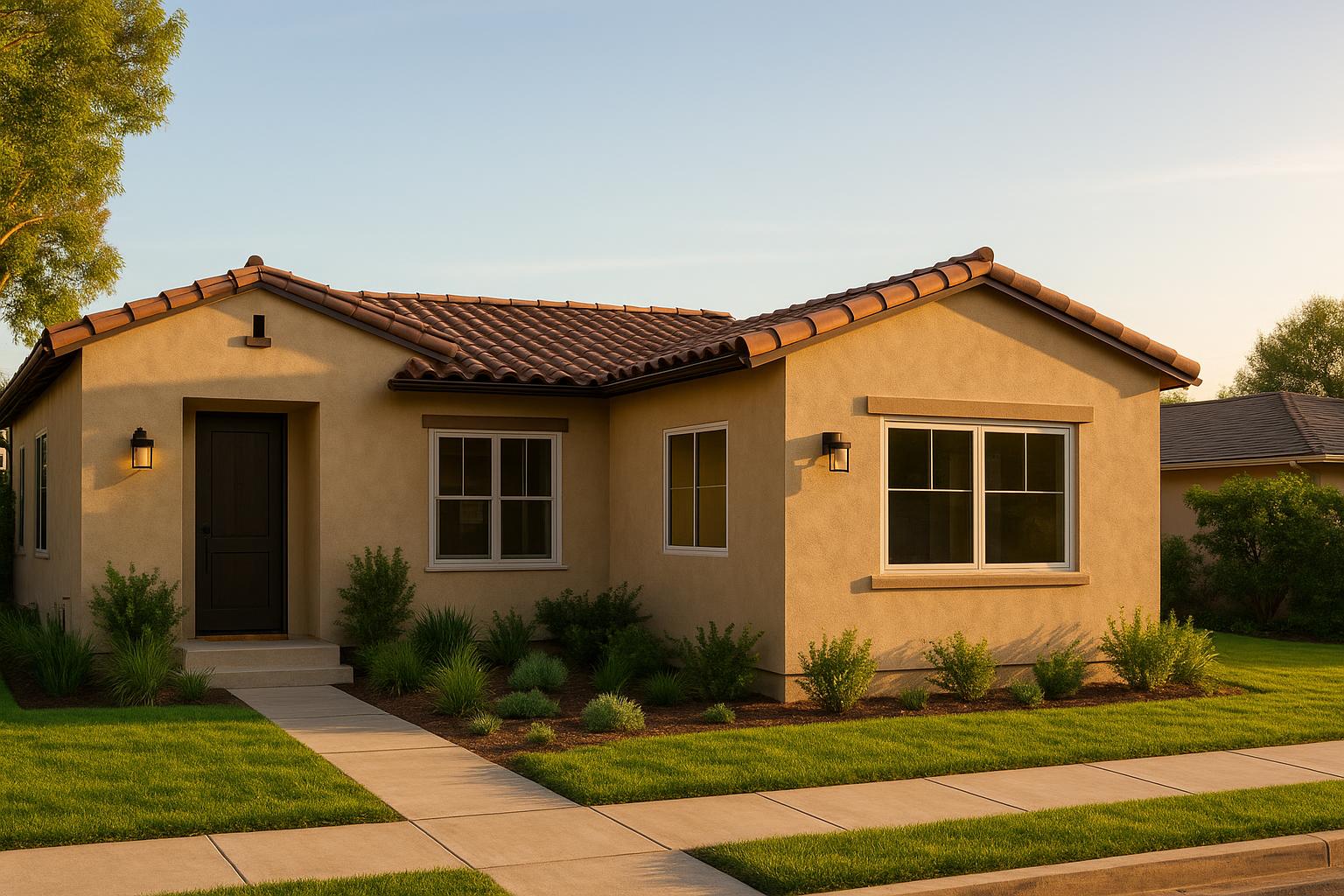
Why National City Homeowners Are Adding Rooms Instead of Moving
If you love your neighborhood but your home feels like it's shrinking, you're not alone. Across National City and the surrounding South Bay communities, homeowners are choosing to expand their existing homes rather than jump into a competitive and expensive housing market. A well-planned room addition can give you the space you need — whether it's a new bedroom, a home office, or a larger living area — without the hassle and cost of relocating.
But room additions are among the most complex remodeling projects a homeowner can take on. There are permits, design decisions, structural considerations, and budget questions that can quickly become overwhelming. The good news? With the right planning, the process doesn't have to be stressful. Here's how to approach a room addition the smart way.
Step 1: Define Your Purpose Before You Design
Before you start browsing Pinterest boards or calling contractors, take a step back and ask yourself a simple question: What problem is this room addition solving?
Common reasons homeowners in National City add rooms include:
- A growing family that needs an extra bedroom
- The need for a dedicated home office or remote workspace
- An aging parent moving in who needs a private suite
- A desire for a larger kitchen or expanded living area
- Adding a guest room to accommodate visitors
When you clearly define the purpose, every decision that follows — from the size of the addition to the materials you choose — becomes easier. It also helps your contractor provide a more accurate estimate and timeline.
Step 2: Understand National City Permit Requirements
One of the biggest mistakes homeowners make is underestimating the permitting process. In National City, any structural addition to your home will require building permits from the city's Building Division. This typically involves submitting architectural plans, meeting zoning setback requirements, and passing inspections at various stages of construction.
Here are a few things to keep in mind:
- Setback requirements dictate how close your addition can be to property lines. These vary by zone, so check with the city early in the process.
- Lot coverage limits may restrict how much of your lot can be covered by structures.
- Height restrictions could affect plans for a second-story addition.
- If your home is in a specific overlay zone or near a historic district, additional review may be required.
A reputable local remodeling company will handle the permit process for you, but it helps to understand the basics so you can plan realistic timelines. Permit approval in the South Bay area can take anywhere from a few weeks to a couple of months depending on the scope of your project.
Step 3: Set a Realistic Budget (and Add a Cushion)
Room additions in Southern California typically range from $200 to $500 per square foot, depending on the complexity of the build, the finishes you choose, and whether plumbing or electrical work is involved. A basic bedroom addition will cost less than a full bathroom suite or a kitchen expansion that requires moving utility lines.
When setting your budget, follow these guidelines:
- Get at least two to three detailed estimates from licensed contractors. Compare not just price but scope of work, materials, and timelines.
- Add a 10-15% contingency buffer for unexpected costs. Older homes in National City may have outdated wiring, plumbing, or foundation issues that aren't visible until construction begins.
- Prioritize structural quality over cosmetic upgrades. You can always upgrade finishes later, but the foundation, framing, and roofing need to be done right the first time.
- Consider financing options like home equity loans or lines of credit if needed. Many homeowners find that a well-executed addition adds significant value to their property.
Step 4: Design for Cohesion, Not Just Function
A room addition should feel like it was always part of your home, not an awkward afterthought tacked onto the side. This is where thoughtful design makes all the difference.
Pay attention to:
- Roofline integration: The new roof should match or complement the existing roofline in pitch and materials.
- Exterior materials: Siding, stucco, paint colors, and trim should blend seamlessly with the rest of the house.
- Interior flow: The transition from existing rooms into the new space should feel natural. Avoid awkward hallways or abrupt level changes.
- Natural light: National City enjoys abundant sunshine. Take advantage of it with well-placed windows or even a skylight to make the new room feel open and inviting.
Working with a remodeling team that handles both design and construction ensures that the aesthetic vision and the structural execution stay aligned throughout the project.
Step 5: Choose the Right Contractor
This might be the most important step of all. The contractor you choose will determine the quality of the work, how smoothly the project runs, and whether you stay on budget.
When evaluating contractors for a room addition in the National City area, look for:
- A valid California contractor's license (you can verify this on the CSLB website)
- Proof of insurance including general liability and workers' compensation
- Local experience — a contractor familiar with South Bay building codes and permit processes will save you time and headaches
- A portfolio of completed additions with references you can actually contact
- A detailed written contract that outlines scope, timeline, payment schedule, and warranty information
Be cautious of contractors who ask for large upfront payments, refuse to pull permits, or pressure you into signing quickly. Quality work takes proper planning, and a trustworthy contractor will respect that.
Step 6: Prepare Your Home and Family for Construction
Even the best-managed room addition will disrupt your daily routine for a period of time. Here's how to minimize the stress:
- Set up a temporary workspace or play area if the construction zone affects rooms you use daily.
- Discuss the construction schedule with your contractor so you know when the noisiest phases will happen.
- Protect furniture and belongings in adjacent rooms from dust and debris.
- Communicate openly with your contractor — if something doesn't look right or you have questions, speak up early.
Most room additions take between six and twelve weeks to complete, depending on size and complexity. Understanding the timeline upfront helps you plan accordingly and set realistic expectations for your household.
A Room Addition Is an Investment in Your Home and Your Life
Adding a room to your home is more than a construction project — it's a decision to invest in the way you live. Whether you need more space for family, work, or simply breathing room, a well-planned addition can transform your National City home into the space you've always wanted.
At Evergreen Home Renovation, we've helped homeowners throughout National City, Chula Vista, San Diego, and the surrounding South Bay communities bring their room addition visions to life. From initial design through final inspection, we handle every detail so you can focus on enjoying your new space. If you're considering a room addition, reach out to us for a free consultation — we'd love to help you get started.